Published by Asemana Books (December 23, 2025)
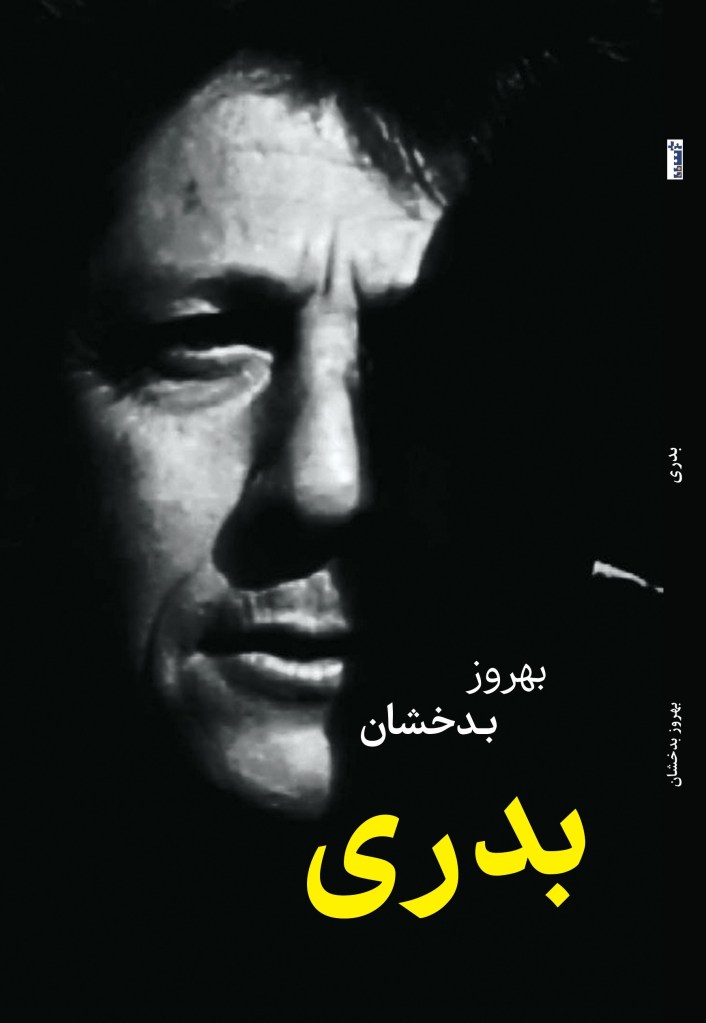
بدری
رمانی از
بهروز بدخشان
بدری، داستان راوی سی و چند سالهایست که خرج زندگیاش را از روابط عاشقانه با زنان ثروتمند درمیآورد. زنانی که به هر دلیل دوست دارند با جوانی وقت بگذرانند و چه بهتر که این جوان بیکار باشد و عاشقپیشه. در همان صفحههای اولْ راوی با بدری آشنا میشود و در رابطهی جدیدی که دارد شکل میگیرد به این فکر میافتد که دروغهای عاشقانهای که برای سرگرم کردن و تیغ زدن زنها به کار میبَرَد دیگر برایش دلپذیر نیست. حالا میخواهد در رابطه با بدری، کار دیگری کند، دروغی که بتواند زندگیاش را تغییر دهد. آنچه در تمام طول داستان اتفاق میافتد، تلاش راوی برای یافتن این «کار دیگر» است و خواننده در رویاویی با این تلاش است که به ظرافتهای شخصیت راوی، بدری، و رابطهی پیچیدهی آنها پیمیبرد.
بهروز بدخشان در روایتش از شهری که با دوستان و بدری در آن پرسه میزند، اصفهان، زایندهرود، و محلهی وحید یا همان «صحراروغن» را بهتصویر میکشد، به ساکنین بیصدای این محلهی قدیمی صدا میبخشد و آنها را از نگاه کسی که از آنهاست و در میان آنها زندگی کرده است تحلیل میکند. رمان بدری، کنکاش نویسنده در رابطههایش با آدمها، خودش، و همچنین محلهای که در آن بزرگ شده است و حالا اصفهان مدرن دارد آن را فرومیبلعد.
برای تهیه نسخه چاپی کتاب بر روی این لینک کلیک کنید
برای تهیه نسخه کیندل کتاب بر روی این لینک کلیک کنید
Badri
A novel by
Behrooz Badakhshan
ISBN: 9781997503262
“Badri” is the story of a man in his early thirties who makes his living through romantic relationships with wealthy women—women who, for various reasons, enjoy spending time with a young man, and all the better if he is unemployed and inclined toward romance. In the opening pages, the narrator meets Badri, and as their new relationship begins to form, he realizes that the romantic lies he invents to entertain and exploit women no longer please him. This time, with Badri, he wants to try something else—a lie that could change the course of his life.
The entire novel follows the narrator’s search for this ‘something else,’ and it is through the reader’s encounter with this quest that the subtleties of the narrator’s character, Badri herself, and the complexities of their relationship come to light.
In his portrayal of the city where he wanders with his friends and with Badri—Isfahan, the Zayandeh Rood, and the Vahid neighborhood, also known as “Sahra-Rowghan”—Behrooz Badakhshan brings to life the overlooked inhabitants of this old district. He gives voice to people rarely heard, interpreting them through the eyes of someone who is one of them and has grown up in their midst. Badri is the author’s excavation of his relationships with others, with himself, and with the neighborhood in which he was raised—now being swallowed by modern Isfahan.
To purchase a physical copy of the book click here.
To purchase the kindle version of the book click here.

بهروز بدخشان
به روایت مهر خانسالار
بهروز بدخشان، بهار ۱۳۴۳ آمد و پیشاز آنکه دستنوشتههایش را به چاپ بسپارد، در بهار ۱۴۰۰ رفت. برخلاف پیچیدگیهای ذهن خلاق او، داستان دستنوشتههایش بسیار ساده و آشناست: بخشهای زیادی از آنها گم شد و آنچه باقی ماند یکجا جمع شد تا به همت دوستانش چاپ شود. یکسال پساز رفتن بهروز، در سال ۱۴۰۱ سه فصل از رمان نیمهتمام «صحراروغن» به همراه نمایشنامه کامل «بیستون» چاپ شد و اکنون که رمان «بدری» او بهدست چاپ سپرده شده است، فقط فیلمنامهی کامل «جایی برای خواب» و مجموعهای از طرحهای نمایشنامه و فیلمنامهی او مانده که بهزودی آماده خواهد شد.
حالا که بخشی از کارهایش آماده چاپ است تا بهروز بدخشان بهتصویر کشیده شود میبینم بهروز فقط همینها نیست. بهروز نقدهای دقیق، تند و بیرودرواسیاش هم بود، همهی داستانهایی که از حفظ میخواند، همهی جملههایی که در نشستهای دورهمی داستانی مینوشت که با هم بپرورانیم تا گاهی به داستانهای خوبی برسد و برسیم. بهروز هماناندازه که طنزهای گزنده و نیشدارش بود، مرام جوانمردانه و آسمانجلیاش هم بود. تضادهایش منحصربهفرد بود و همین تضادها شخصیتی نزدیک و درعین حال دورازدسترس از او ساخته بود. شلوغی و خندههای از ته دلْ درکنار لحظههای سکوت و نوشتن در ذهن، عشق به درجمع بودنْ و تنهاییِ بیحدومرزی که آن را با هیچکس شریک نمیشد، نگرانیها و وسواسهای فکریاش و چیزهای دیگر. بهروز همهی این تضادها بود. وجودی پر از شورِ زندگی با میل عمیقی به مرگ. چیزی که بیدادِ زندگیاش شد. مرگی که میتوانست آزادش کند تا بپرد.
Behrooz Badakhshan
narrated by Mehr Khansalar
Behrooz Badakhshan was born in the spring of 1964, and before he could entrust his manuscripts to publication, he passed away in the spring of 2021. Contrary to the complexity of his creative mind, the story of his manuscripts is simple and familiar: much of the work was lost, and what remained was gathered so that, with the efforts of his friends, it could finally be published. One year after his passing, in 2022, three chapters of his unfinished novel Sahra-Rowghan (“Oil Desert”) were published alongside his complete play Bisutun. And now that his novel Badri has gone to press, only the complete screenplay A Place to Sleep and a collection of his play and screenplay drafts remain, which will be prepared soon.
Now that a part of his work is ready for publication, allowing Behrooz Badakhshan to be seen more clearly, I realize that Behrooz is not just these works. Behrooz was also his sharp, candid, uncompromising critiques; all the stories he could recite by heart; all the sentences he wrote during our storytelling gatherings—sentences we nurtured together in hopes of shaping them into good stories someday. Behrooz was as much his biting, incisive humor as he was his chivalrous nature and sky-bright generosity. His contradictions were unique, and it was precisely these contradictions that fashioned a personality at once intimate and yet out of reach.
The bustle and his wholehearted laughter alongside moments of deep silence and writing within his mind; his love of being among people alongside a boundless solitude he shared with no one; his worries, his obsessions, and so much more. Behrooz was all these contradictions—a being full of the passion of life, with a profound longing for death. A longing that became the tragedy of his life. A death that, perhaps, could have freed him—let him fly.
 Asemana Books