Published by Asemana Books (January 15, 2026)
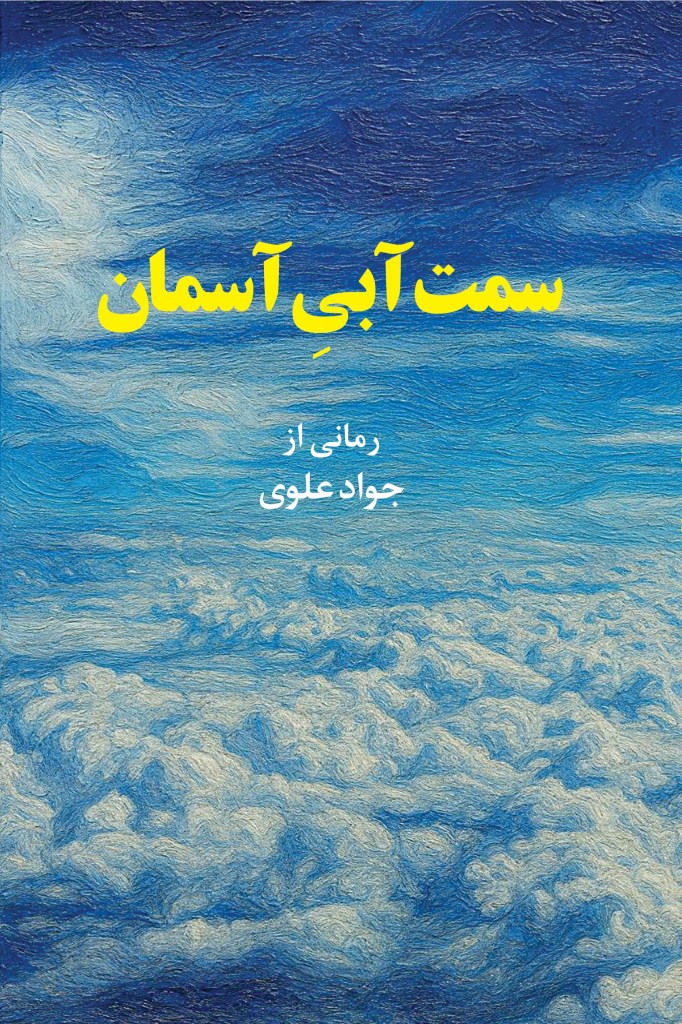
سمت آبی آسمان
رمانی از
جواد علوی
انقلابها حتی پس از پایانشان تمام نمیشوند. آنها همچنان ذهن، حافظه، سیاست و ادبیات را اشغال میکنند. این ارجاع به انقلاب به مثابهی نقطه «آغاز» تنها به این دلیل نیست که جامعه خود را درانقلاب بهعنوان فاعل تاریخ تجربه میکند. بلکه به این دلیل که انقلاب امر ممکن را به جای امر واقعی مینشاند. پس ایدهی امکانِ تغییر حتی با شکست انقلاب زنده میماند. نویسندگانی که انقلاب را دیدهاند با قوای پنهان آن و بستری که برای عصیان میگشاید آشنایند. رمان حاضر دومین جلد از رمان سه گانه ای است که انقلاب ۱۳۵۷ را از منظر رویاها و ظرفیتهای پنهان سوژههای انسانی آن میکاود. اولین جلد این مجموعه با نام اسباب شّر در ژانویه 2025 توسط نشرآسمانا منتشر شده است. سمتِ آبیِ آسمان روایت انقلاب را این بار از منظر زندان، که ظاهرا جزء جداییناپذیر انقلابهاست، و از ورای رابطه یک نویسنده و بازجویش روایت میکند. اما شبح انقلاب در دوران فسردگیاش، وقتی نویسنده از زندان آزاد میشود و جنگ پایان میگیرد، در دل تخیلات تازهای از امر ممکن و نشاندن آن به جای امر واقعی آشکار میشود. این بار خانوادهها به عرصه کشمکش برای تغییر بدل میشوند و راویان متعددِ داستان در روایتهای خود از گذشته و رویاهایشان از آینده تنوع این تجربه را بیان میکنند. رمانی که نویسنده زندانی در حال نوشتن آن و نمایشنامهای که از او درحال اجراست، گاه با رویدادهای رمان میآمیزد تا خواننده را با درام زندگی در بستر افول یک انقلاب درگیر کند. کتاب از دل کوچههای فرعی ورویدادهای مستقل و بهم پیوسته تصویری از چهره انسانی انقلاب بدست دهد، چهرهای که در تصادم انفجارگون سیاست و فرهنگ گم شده است. سمتِ آبیِ آسمان از نسلهای پساانقلابی میگوید که با پیامدهای انقلاب درگیرند و این تجربه، ایدهآلگرایی آنان را صیقل داده است.
برای تهیه کتاب بر روی این لینک کلیک کنید
The Blue Side of the Sky
A novel by
Javad Alavi
Revolutions do not end even after they are over. They continue to occupy the mind, memory, politics, and literature. This reference to revolution as a point of “beginning” is not only because society experiences itself in the revolution as the agent of history. It is also because a revolution replaces the real with the possible. Thus, the idea of the possibility of change survives even when a revolution fails. Writers who have lived through a revolution are familiar with its hidden energies and the horizons of rebellion it opens.
The present novel is the second volume of a trilogy that explores the 1979 Revolution through the lens of dreams and the latent capacities of its human subjects. The first volume of this series, Lead to Evil, was published by Asmana Books in January 2025. The Blue Side of the Sky narrates the revolution this time from the vantage point of prison—apparently an inseparable part of revolutions—and through the relationship between a writer and his interrogator. But the specter of the revolution, in its period of exhaustion, reveals itself anew after the writer is released from prison and the war ends, in the form of fresh imaginings of the possible supplanting the real.
This time, families become the arena of struggle for transformation, and the novel’s multiple narrators express the diversity of this experience through their stories of the past and their dreams of the future. The novel that the imprisoned writer is composing, and the play of his that is being performed, at times merge with the events of the novel itself, drawing the reader into the drama of life amid the decline of a revolution. From its side alleys and its independent yet interconnected events, the book offers a portrait of the revolution’s human face—a face lost in the explosive collision of politics and culture.
The Blue Side of the Sky speaks of post-revolutionary generations who grapple with the revolution’s aftermath, and for whom this experience has tempered and refined their idealism.
To purchase the book, click here.

جواد علوی در سالهای ۱۳۷۸ تا ۱۳۸۵ دبیر مجموعۀ «داستان کوتاه» در تهران بود که به صورت گاهنامه منتشر میشد. هر شماره این مجموعه علاوه بر نشر داستانهای کوتاه و معرفی نویسندگان جوان، مقالاتی در پژوهش ادبی داشت که به تحلیل ساختاری قصهنویسی و ادبیات روایی ایران در دورههای کهن، مشروطه و معاصر میپرداخت. او یکی از محققان آثار داستان¬نویسان متقدم و نویسندگان جوان افغانستانی در ایران است که تحول و نو شدن ادبیات داستانی این کشور را بررسی کرده است. علوی پیش از انقلاب هم در نقد ادبی فعال بود و طی سالهای ۱۳۴۷ و۱۳۵۰ با سیروس طاهباز درانتشار شماره های اول و دوم «دفترهای زمانه» و با کاظم رضا در تهیه جُنگ ادبی «لوح – دفتری درقصه» (از شماره ۱ تا ۴) همکاری داشت. در سال ۱۳۵۰ به بخش پژوهش ومستند تلویزیون ملی ایران پیوست و تحت مدیریت فریدون رهنما مونوگرافی صید و شکار در شمال ایران را نوشت. سایرمقالات و نوشته های نویسنده در مجله های کارنامه، گفتگو، و رودکی در ایران و مجله باران در استکهلم سوئد چاپ شده است. پیش از این رمان اسباب شر از این نویسنده در نشر آسمانا منتشر شده است.
Javad Alavi served as the editor of the Short Story series in Tehran from 1999 to 2006. This occasional publication featured short stories, introduced young writers, and included articles on literary research, analyzing the structural aspects of storytelling and narrative literature in Iran across historical, Constitutional, and contemporary periods. Alavi is recognized as a researcher of early fiction writers and young Afghan authors in Iran, examining the evolution and modernization of Afghan fiction. Before the revolution, he was also active in literary criticism. Between 1968 and 1971, he collaborated with Cyrus Tahbaz on the first two issues of Daftarhaye Zamaneh and with Kazem Reza on the literary anthology Loh: A Notebook on Stories (issues 1 to 4). In 1971, he joined the Research and Documentary Department of Iran’s National Television, where, under the management of Fereydoun Rahnema, he authored a monograph on hunting and fishing in northern Iran. His other articles and writings have been published in Iranian magazines such as Karnameh, Goftogu, and Roudaki, as well as in Baran magazine in Stockholm, Sweden. Asemana Books has published his novel Lead to Evil in January 2025.
 Asemana Books