Published by Asemana Books (June 6, 2025)
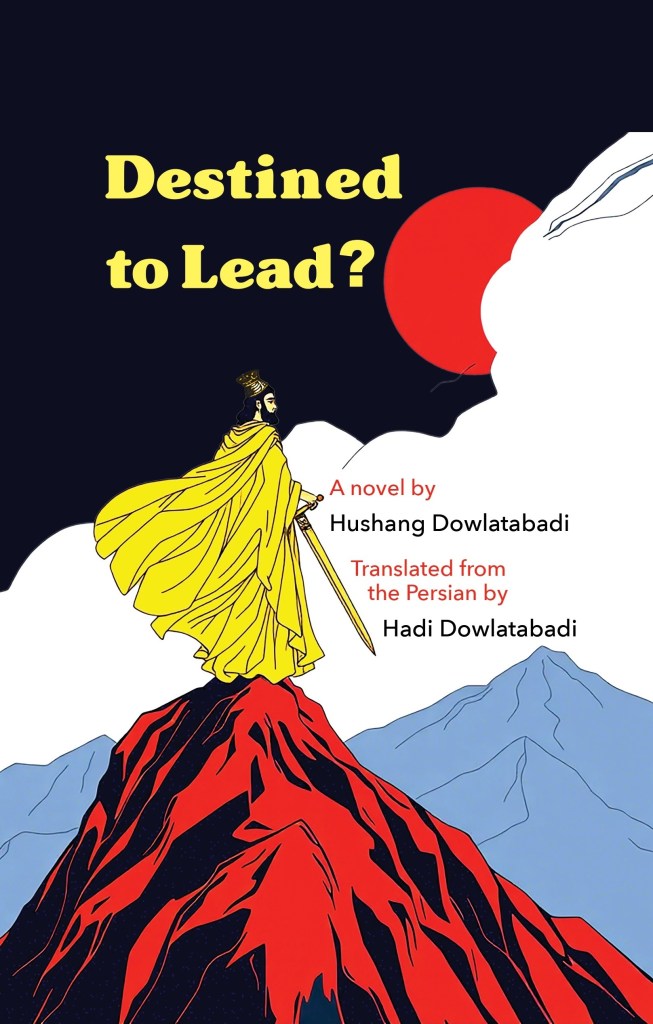
DESTINED TO LEAD?
A novel by
Hushang Dowlatabadi
Translated from the Persian
by Hadi Dowlatabadi
ISBN: 9781997503019
This novella follows the adventures of K’Khosro, a prince born in exile from parents whose nations were at war. Our young prince lives a charmed life with extraordinary events allowing him to survive numerous dangers, return to his father’s homeland, and rise to become Shah of Iran. His entourage says that he has been gifted a divine blessing and is fated to rule the kingdom. He grapples with the conflict of living a pre-destined life or exercising free will. This is not a philosophical question that can be resolved — especially if one’s sense of duty shapes choices that are compatible with the conditions of keeping the divine gift on-side.
To order a paper copy via Amazon, click here.
To order a paper copy via Lulu, click here.
To order a kindle version, click here.
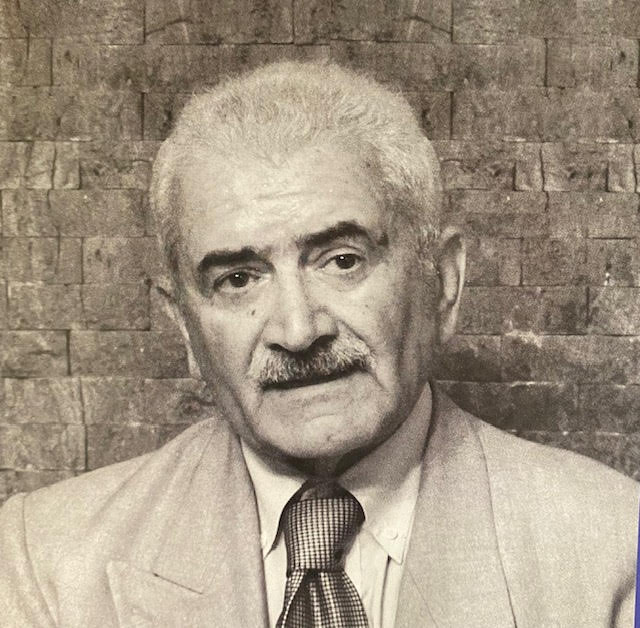
Hushang Dowlatabadi is a retired physician and active author with an enduring interest in human and animal behaviour. This is his seventh novel, all in Persian. He has also translated Conrad Lorenz’s “On Aggression” into Farsi. He lives and works in Tehran, Iran.

Hadi Dowlatabadi is a retired physicist who focuses on uncertainties in science and labile social norms. He employs this perspective in trying to improve policies in environmental protection and public health. He lives and works in Vancouver, Canada.
Excerpt from Preface
The Shahnameh (book of kings) is an account of Iran’s pre-historic Shahs (kings) and pahlevans (knights) and their epic adventures. These kings and their knights are as familiar to Farsi language readers as Robin Hood and Jack Sparrow are to those steeped in English folk tales. As with all legendary tales, they are a mixture of truth and fantasy. Often the line in-between is blurred and most key characters in the Shahnameh have fantastic adventures battling one another as well as supernatural beings called deevs (ogres).
K’Khosro’s legendary exploits are a well-loved part of the Shahnameh. However, in this retelling of his story, there is a greater focus on how religious beliefs differed across the landscapes where the main characters lived and their saga unfolded. Iranians, unlike all neighbouring countries, were fatalist followers of Zurvan, a precursor to Zoroastrianism. Zurvanism has three key features: first, that there is no life after death; second, that every aspect of every living being’s life is predestined; and third, that greed is the greatest sin.
 Asemana Books