
Forthcoming by Asemana Books (March 27, 2026)
دستگیرم نکنید
مجموعه شعر
اکبر فلاح زاده
انسان در زمانه درد و دار موضوع این اشعار است.
این انسان جایی ندارد برود، اما او را میگیرند و به زور به یک جایی میبرند:
به داخل جیپ گشت هل میدهند یا در یک گاراژ بینام و نشان در میان انبوه بازداشتیها میچپانند.
یک جا دخترکی است که در کودکی با مادرش در خیابانها دنبال نذری میگردد تا شکمش را سیر کند؛ یک جا در ده سالگی از کوچههای کودکی در محلات فلکزده به بیابان گریخته تا به زور عروس نشود.
یکجا با موهای پریشان به خیابان دویده و گیر لباس شخصیها افتاده؛ یک جا جلوی دکه روزنامهفروشی دستگیر شده؛ جایی دیگر در شب تاریک ناموس از شوهر مظنونش چاقوخورده و خونین به زمین افتاده: جیغ و عربده در دل تاریکی شیشهها را در کوچههای نامردی میشکنند.
عزا عزاست هر روز. همه جا نوحه و روضه میخوانند و خیابانها پر از سایه و مرده است.
مردهها مثل برگهای پاییزی روی زمین ریختهاند. در که میگشایی باید احتیاط کنی آنها را زیر پا له نکنی.
با وجود اقتدار وحشت و مرگ، مرگ قادر مطلق نیست و زندگی از هر فرصتی سود میبرد تا از زندان و مرگ بگریزد و شاد و آزاد زندگی کند:
نیمههای شب
یکی محکم به در کوفت
دیدیم مرگ است
باز زدیم و رقصیدیم
با وجود سرکوب، زندگی تمام نمیشود؛ از دل مرگ میروید:
هر چه میزدند
ما نمیمردیم
سرانجام
زنده دفنمان کردند
دیدند
داریم میروییم
Don’t Arrest Me!
Poems by
Akbar Fallahzadeh
ISBN: 978-1-997503-32-3
The subject of these poems is the human being in an age of pain and gallows.
This human has nowhere to go, yet they seize them and forcibly take them somewhere:
they shove them into a patrol jeep, or cram them into an unmarked garage among a mass of detainees.
In one place there is a little girl who, as a child, wanders the streets with her mother looking for votive food offerings so she can fill her stomach;
elsewhere, at the age of ten, she has fled from the alleys of her childhood in impoverished neighborhoods into the desert so she won’t be forced into marriage.
Somewhere she has run into the street with disheveled hair and fallen into the hands of plainclothes agents;
somewhere she has been arrested in front of a newspaper kiosk;
elsewhere, in the dark of night, a woman—stabbed by her suspicious husband—has fallen to the ground, bloody:
screams and shouts in the heart of the darkness shatter the windows in merciless alleys.
Every day is a day of mourning. Everywhere they chant laments and dirges, and the streets are full of shadows and the dead.
The dead lie scattered on the ground like autumn leaves. When you open the door, you must be careful not to crush them underfoot.
Despite the dominion of terror and death, death is not all-powerful, and life seizes every opportunity to escape prison and death and live joyfully and freely:
At midnight
someone knocked hard on the door
We saw it was Death
we opened the door again and danced
Despite repression, life does not end; it grows out of death itself:
No matter how much they struck us
we did not die
At last
they buried us alive
They saw
we were growing
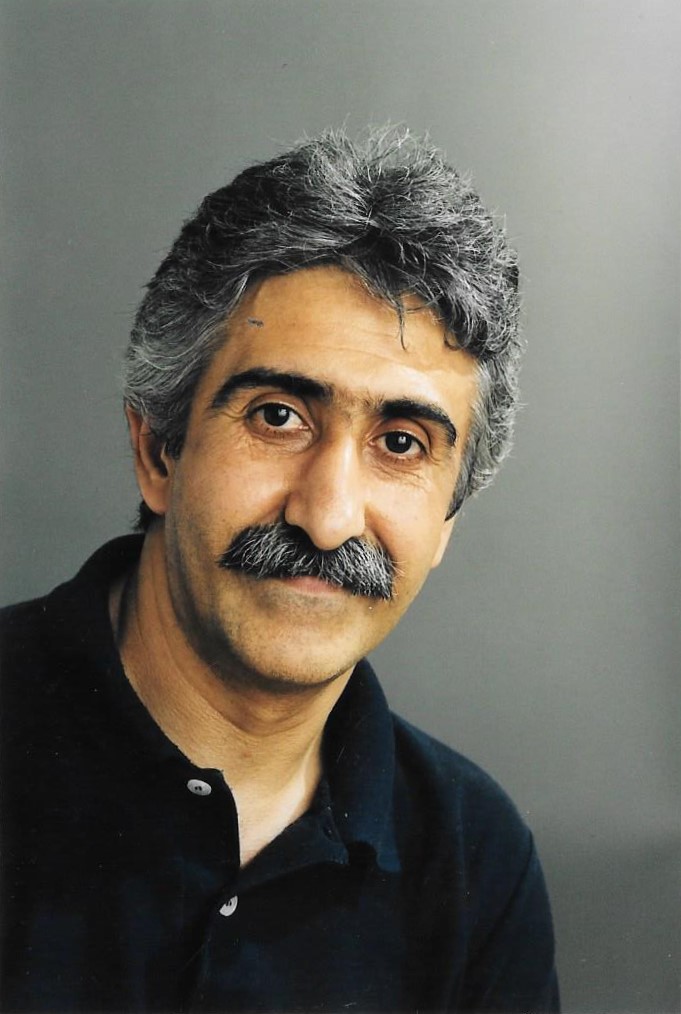
اکبر فلاح زاده
اکبر فلاح زاده در رشته ادبیات دراماتیک از دانشکده هنرهای دراماتیک تهران لیسانس، و در رشته ادبیات نوین آلمان و علوم رسانهای از دانشگاه ماربورگ آلمان دکترای خود را گرفته است.
نخستین کتابش ترجمه نمایشنامه “عید پاک” آگوست استریندبرگ در میانه دهه شصت بهخاطر پیشگفتار ضد جنگ و صلحطلبانه اش ممنوع شد.
سالها نویسنده در رادیو زمانه بوده و کتاب “مجازات اعدام، تاریخ، منشاء، قربانیان” از کارل برونو لدر آلمانی را هم ترجمه کرده است. پیش از این مجموعه داستان کوتاه او با نام «جلوی خانه ما یکی مرده بود» در نشر آسمانا منتشر شده است.
Akbar Fallahzadeh
Akbar Fallahzadeh earned his bachelor’s degree in Dramatic Literature from the Faculty of Dramatic Arts in Tehran and received his PhD in Modern German Literature and Media Studies from the University of Marburg, Germany. His first book was a translation of the play Easter by August Strindberg, which was banned in the mid-1980s due to its anti-war and peace-promoting preface. He has been a writer for Radio Zamaneh for many years and has also translated The Death Penalty: History, Origins, and Victims by the German author Karl Bruno Leder.
 Asemana Books